BLOGS - PODCASTS - REVIEWS - INTERVIEWS
ABOUT WORK, LIFE AND CULTURE

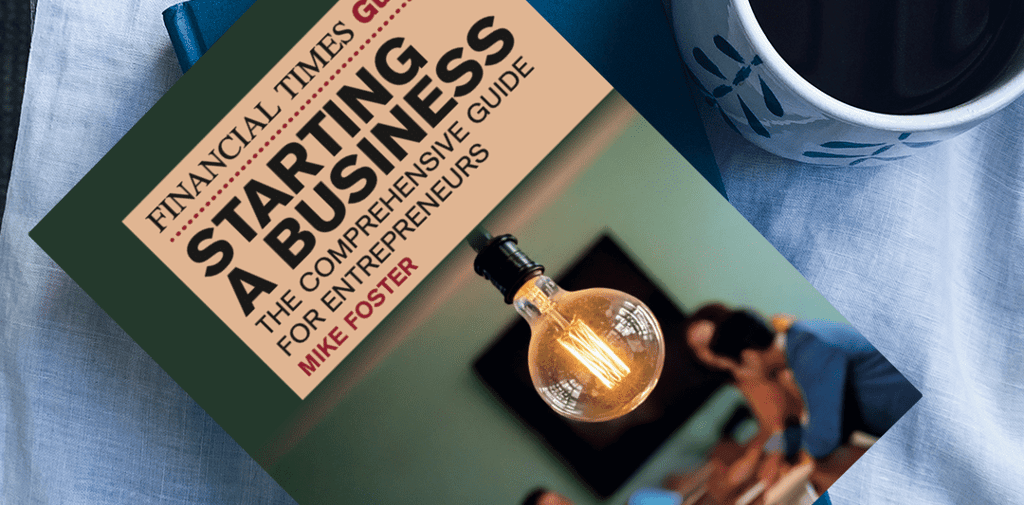
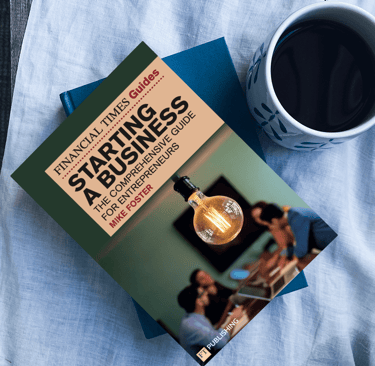
Book Review - Starting a Business
Book review of Starting a Business – the comprehensive guide to entrepreneurs by Mike Foster
3/15/20266 min read
What if the only thing standing between your creative ambition and a real business is the story you tell yourself?
That’s the question I found myself circling while reading Starting a Business – The Comprehensive Guide to Entrepreneurs. The back cover promises a “comprehensive, practical and user‑friendly” roadmap. But does it deliver, and more importantly, do I?
The Book, the Coach, and the Man Who Sounds Like Me
Mike Foster, the author, is a seasoned business coach who has helped hundreds of entrepreneurs start, scale and grow. Sounds like me—apart from the hundreds of entrepreneurs.
I’ve built Watching Working Living, a home for blogs and podcasts, and I want to turn it into a profitable platform through advertising and paid creative work. This ambition has now overtaken my World Sandwich Shop idea, which is probably for the best.
Being in my mid‑forties is most likely my trigger point.
I’m not a natural risk‑taker, but I do want creativity, independence and a future I’m not sleepwalking into.
Finding My “Why”—Or Asking “Why Bother?”
The book insists on identifying your “why,” complete with the obligatory Simon Sinek reference. He has, after all, cornered the market on purpose. I’m tempted to take a more morose approach:
Why bother?
But the book is right about one thing: knowing your motivation shapes your decisions.
Mine is simple:
I want the world to see me.
Not in a fame‑hungry way—more in a “don’t let my life be invisible” way.
Imposter Syndrome, LinkedIn Addiction and Other Modern Ailments
There’s useful guidance on beating imposter syndrome, which I’ll borrow for my executive coaching. But I can’t pretend my website is a business until it actually is one.
I’m making connections, getting positive feedback, and trying not to get consumed by it. People‑pleasing, conflict avoidance, trauma—yes. Fear of rejection—no. I meet rejection regularly; we’re on familiar terms.
If I could stop checking LinkedIn for nothing in particular, I’d have more time to build something meaningful. Even if social media would help me promote my work, I don’t want to be on it. Full stop.
The Hard Questions: Am I Ready? Can I Afford It?
The book asks: “Are you ready to start up?”
It’s a fair question. I have:
No start‑up capital
No operating budget
A full‑time job
A desire for advertisers to pay me for my creative brilliance
I can promote books, films and TV shows. Surely there’s a gap in the market for must‑watch TV recommendations. At least I’m testing the water.
Six Steps, Eight Steps, and One Dimwit I’d Rather Forget
The book outlines six steps to starting a business:
Are you ready?
What sort of business are you?
Planning
Positioning
Promotion
Whom to inform
I’ll skip the SWOT analysis—it reminds me of a dimwit I used to know.
Then comes the eight‑step staircase for financial performance. It’s sensible, structured, and mildly terrifying. Planning, measuring, reviewing, evaluating, benchmarking, valuing, analysing, improving.
A full workout for the entrepreneurial glutes.
The Big Fear: Is My Work Worth Paying For?
“A common fear of start‑up business owners is that they have nothing tangible.”
Is there a market for what I’m offering? Yes.
Is it easy to make money from blogging and podcasting? Absolutely not.
So how do I get people to notice?
The book offers a thought experiment: imagine 500 of your ideal customers in the next room, waiting to hear from you. What would you say to keep them hooked? I’d be great at that—if my chesty cough ever goes away.
Sales Pitches, Dragons’ Den, and the Harsh Reality of Profit Margins
I despise sales pitches—unless they’re mine. Then I expect universal admiration. I like the one‑man‑against‑the‑world energy of starting a business. But I also sound like a Dragons’ Den contestant who doesn’t understand gross profit margin. I need to learn cash flow, pricing strategy, investment, growth. Skimming, penetration, loss leaders. It’s a lot.
The book doesn’t sugar‑coat it: Your dreams may not match reality. And the sacrifices required might be bigger than you think.
There’s a section on people management, which makes your dream business sound suspiciously like a real job.
“Expect failure… it is part of the journey.”
Hello, failure, my old friend.
May I dance with your sister, sweet success?
Eyeballs as Currency: The Modern Marketplace
While writing this, I was listening to the Guardian’s Football Weekly podcast. Jonathan Liew said something that stuck with me: “Eyeballs have become currency. Attention, not insight, is the commodity.”
If I get enough eyeballs on my website, it might unlock opportunities I’m good at, not qualified for, or don’t even deserve.
That’s the world we live in.
And I want a slice of it.
Q&A with the author Mike Foster
Q) Did you write Starting a Business because so many people have ideas for a business but don't know how to do it?
I wrote the book because I want to influence the poor statistic that many start up businesses fail in the first five years, well in fact one in three in year one! To your question many people want or desire to run their own business, but this is often focused on their ‘technical’ skill, experience or knowledge not by looking to actually solve a problem. Why? Because no on trains us to run a business so many are started because of a personal experience such as thinking – I can do it better than my employer or what I personally experienced (eg in a restaurant).
Q) Is attitude, motivation and determination irrelevant if you do not have the financial and business sense?
No! Personally I believe attitude, motivation and determination are key, even more important than the skills or knowledge we can learn such as the financials. Additionally we can also get good people around us to help with any skill and knowledge gap but attitude, motivation and determination is personal. I often talk about keeping the foot on the accelerator whilst driving your entrepreneurial journey, as it is far too easy to take your foot off during a moment of hesitation, procrastination or doubt. It’s the reason my first chapter focuses on the entrepreneur’s mindset before planning the business.
Q) If someone's business ventures keep failing, should they give up and settle for organisational life?
I’d never say to someone with entrepreneurial spirit to “give up” but I would encourage them to think carefully and use their resources (time and money) wisely. Often it’s not the individual or even the business idea that causes the failure, it’s often the execution. A rush to get the business live, too much focus on perfectionism with irrelevant things during start up (eg the logo or tax planning) plus the avoidance of doing what really needs to be done – the more difficult things such as speaking to people, selling what you are offering, closing interest as a sale etc
Q) I have created a website Watching Working Living to promote my blogs and podcasts. As so many people create content for free, is there no chance of monetising my creativity?
There is always a chance to monetise your value but that is not simply adding more content online. After all, no one wants another podcast or another blog to read – but give me a reason, engage me, be relevant to my pain, problem, fear, want, need or desire and tell me why I would value your content then you can become the ‘go to’ expert resource for paying customers. When monetising such content it is important to become super clear on your ‘customer’ – who they are, what’s the niche and how can you serve it with your knowledge, experience, expertise or knowledge. They create a value proposition that gets eyes on you and not those other resources.
Q) Would getting my book published Why Work Matters improve my prospects of attracting investors and clients?
Personally, I have found that having both my books published as printed, available material has helped me to attract such interest. There is a level of credibility that a book brings towards you and the right content for your desired audience will help leverage what you have to offer.
Q) What is your advice to people wanting to write a business book?
Don’t write what you want to hear or read yourself – do your research. As with a start up idea, do your research, ask the right people in the right audience what they want, need, desire and understand what they would find engaging, thought provoking and more importantly useful.
Inspiration
What we talk about when we are working and living
© 2025. All rights reserved.